Abaden
UX/UI Design
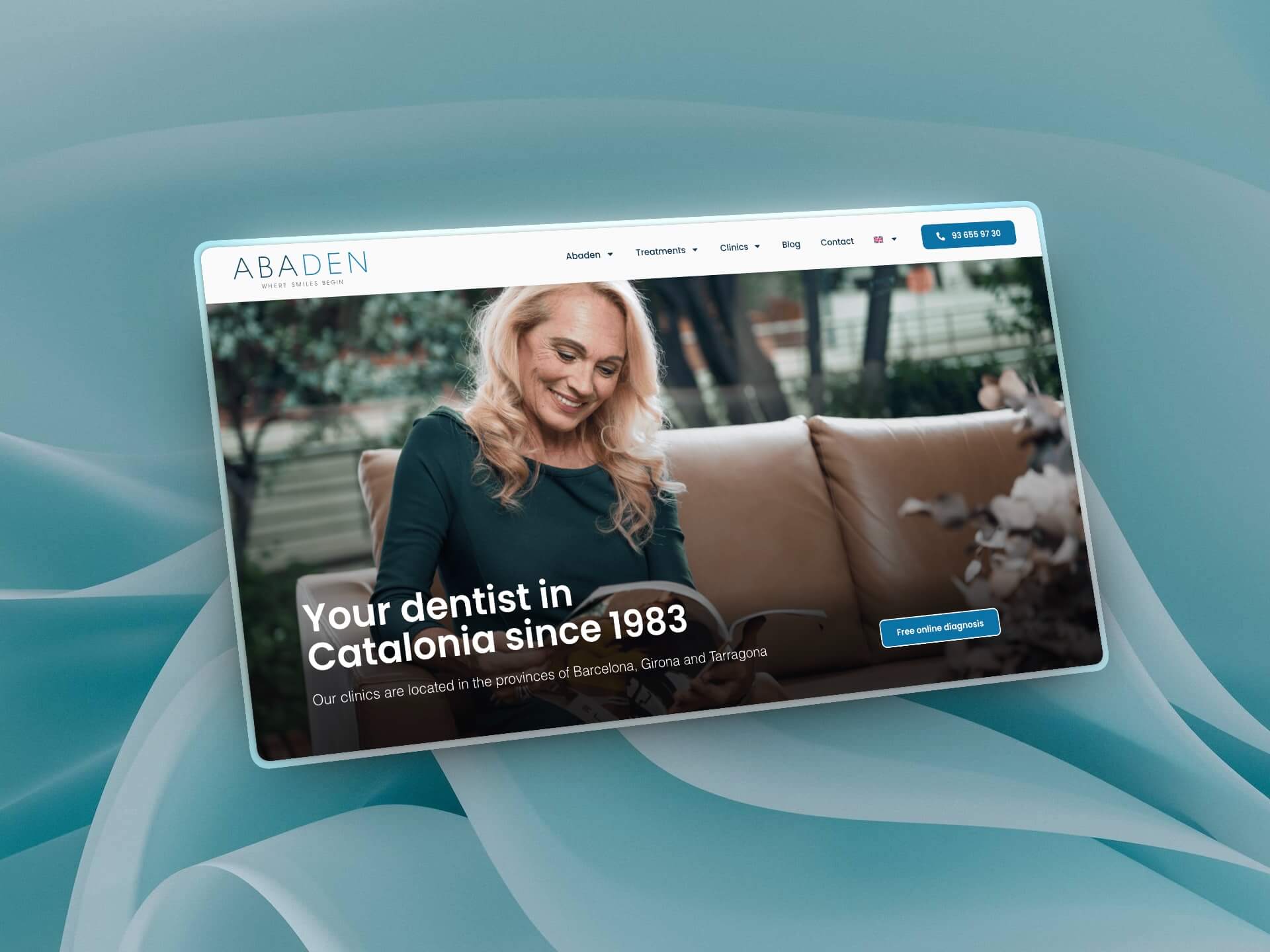
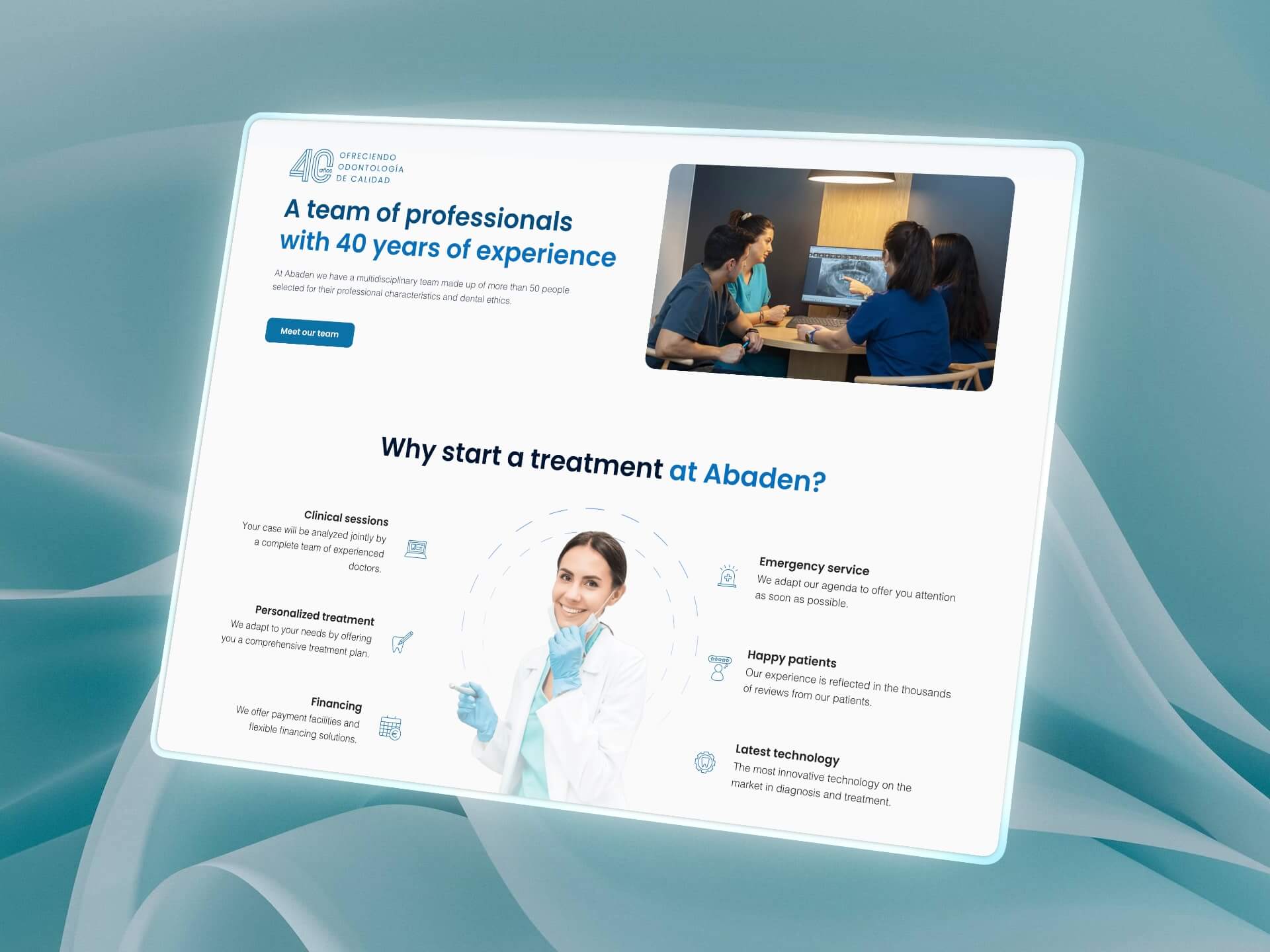
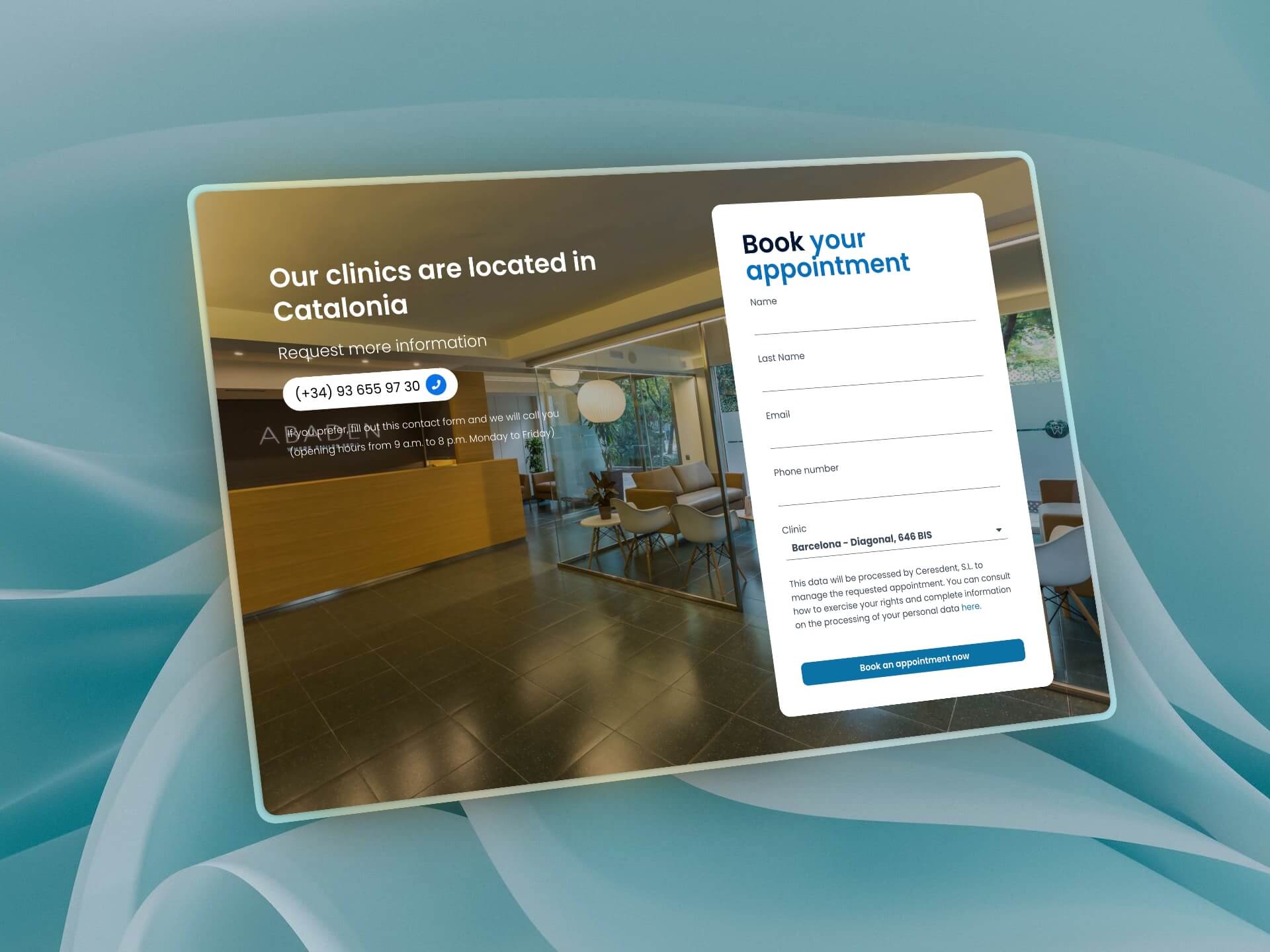
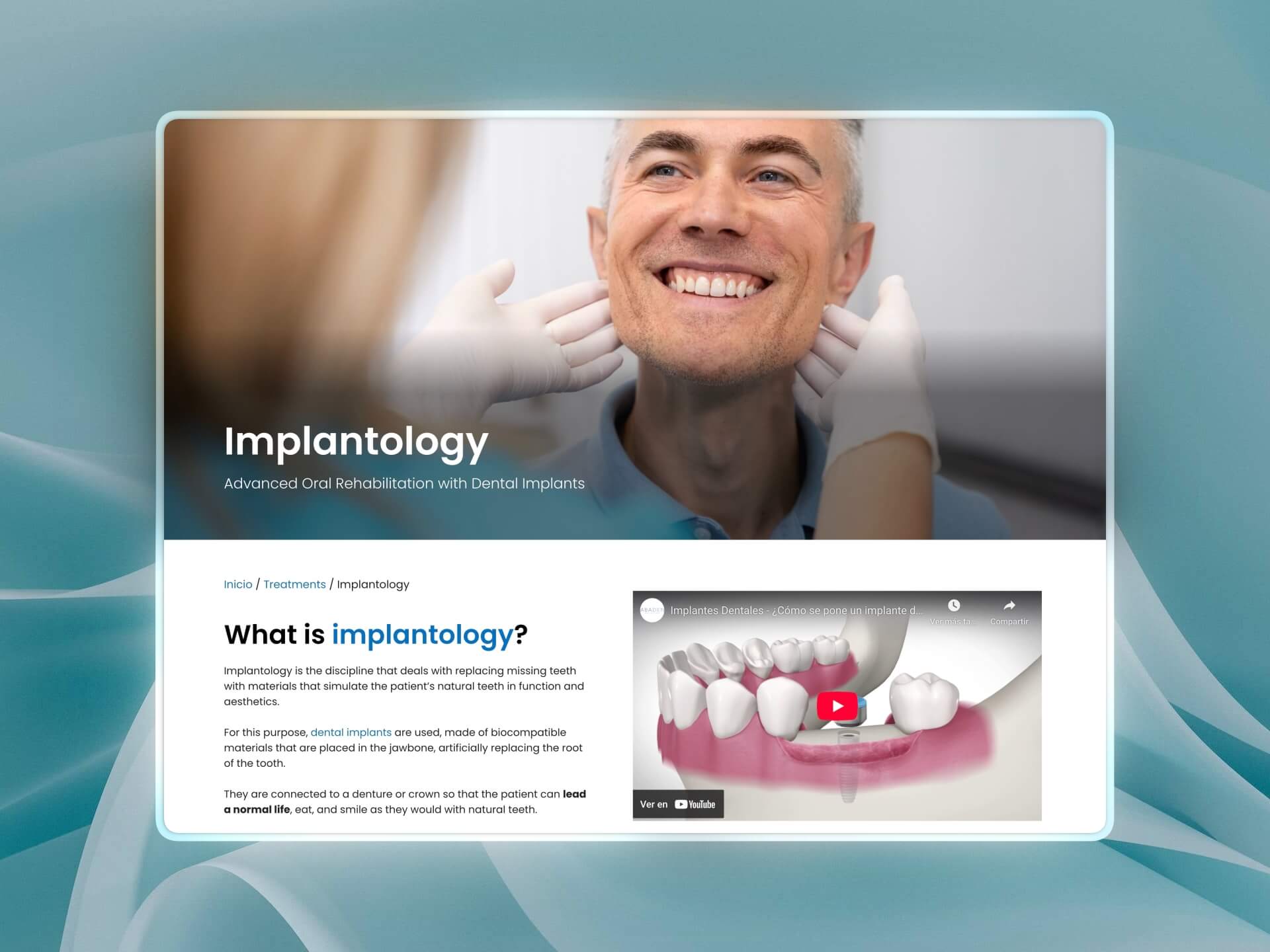
A UX audit and full UX/UI redesign for a dental clinic group, focused on restructuring complex information architecture and improving patient conversion while respecting SEO constraints. The project involved redesigning a large-scale healthcare website with dozens of treatments, clinics, and content types, balancing usability, medical credibility, and business performance.
Client:
Abaden (B2C Healthcare Clinic)
Role:
UX Designer
Year:
2025
Challenge
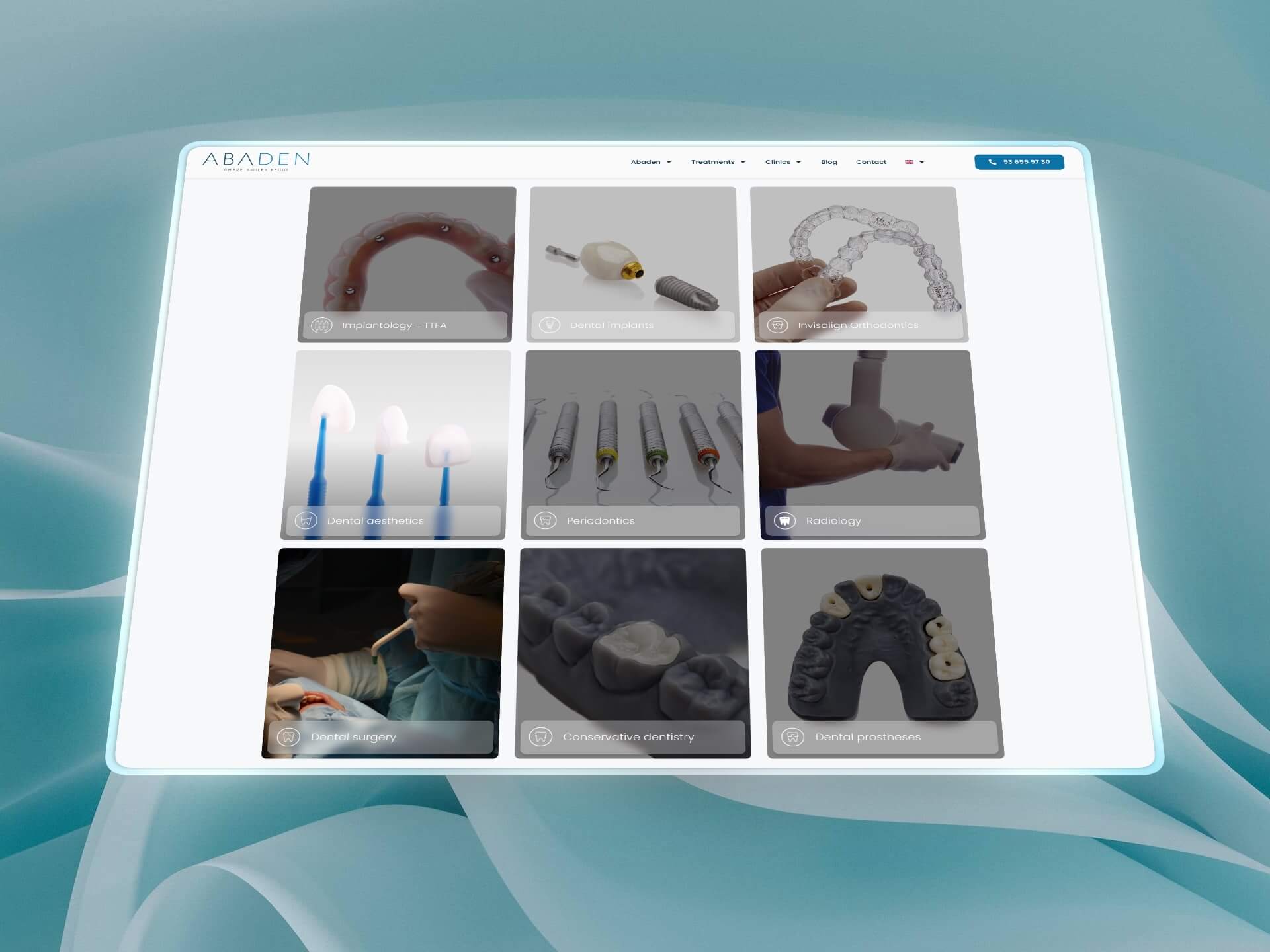
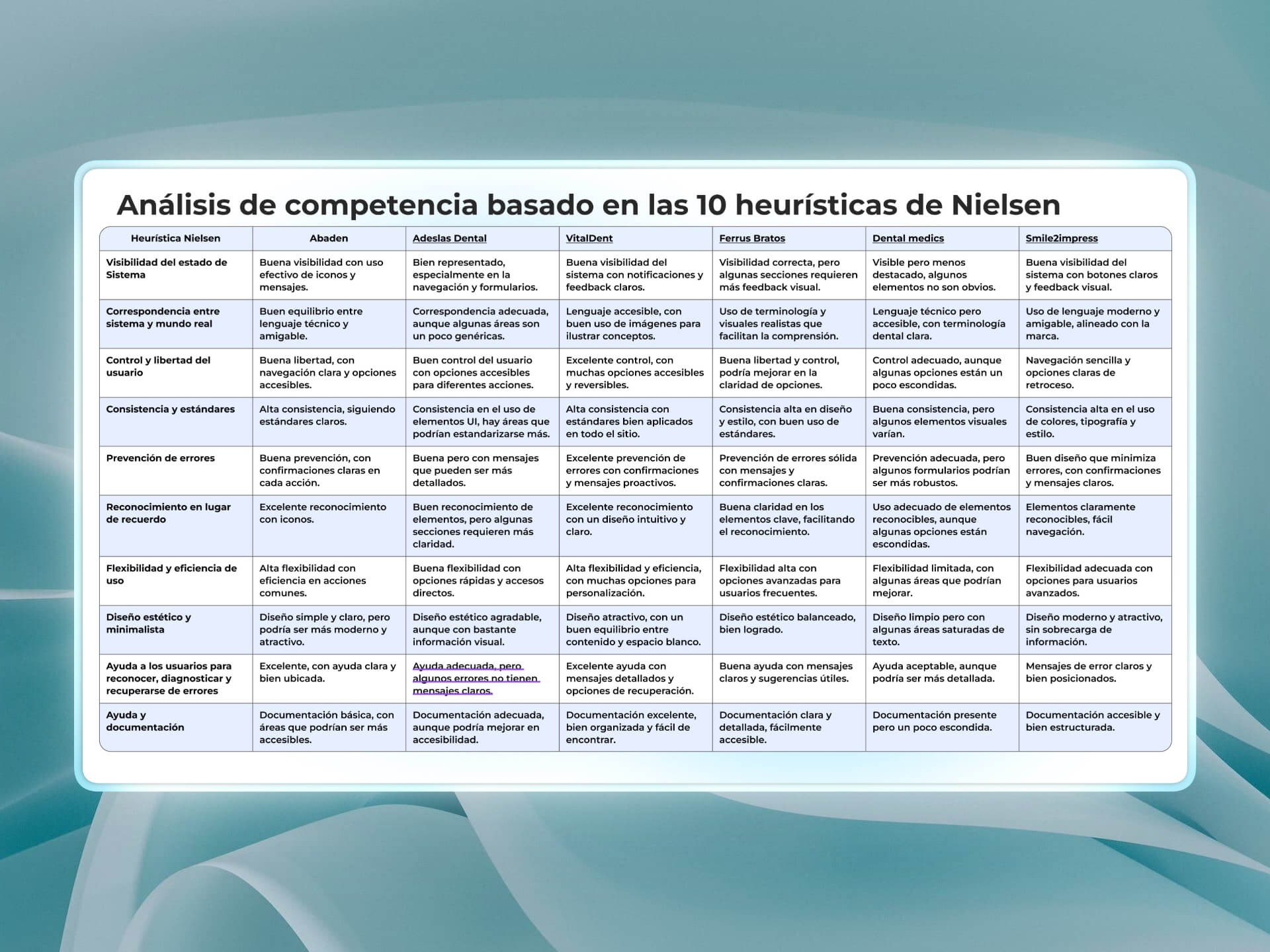
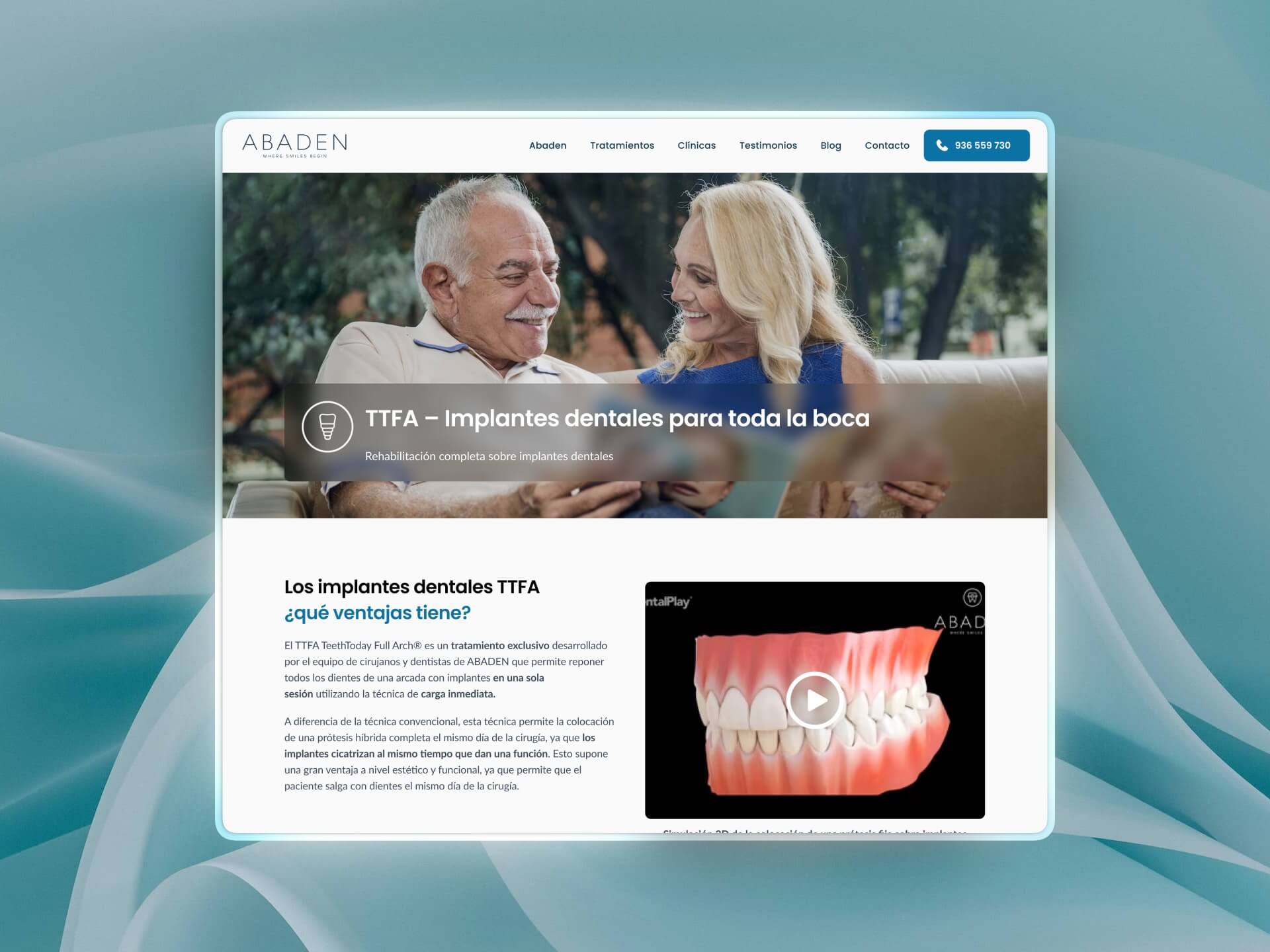
Abaden operates multiple dental clinics across Catalonia, offering a wide range of specialized treatments. Over time, the website had grown organically, resulting in a complex structure that was difficult for patients to navigate and for the business to maintain. Users struggled to understand differences between treatments, find the right clinic, and take action with confidence. At the same time, the project was constrained by strong SEO requirements. Many pages could not be removed or significantly altered without risking traffic loss, which meant that the redesign had to improve usability without breaking existing content structures. The challenge was to bring clarity, consistency, and trust to a medically complex website, while working within strict technical and SEO limitations.
Objective
The objective was to improve the patient journey from discovery to appointment booking by restructuring the information architecture and redesigning the interface to be more intuitive, accessible, and trustworthy. This meant simplifying navigation across treatments, creating clearer hierarchies, reducing cognitive load, and designing a system that could scale across clinics and content types without losing consistency. The redesign also needed to support business goals by improving conversion and reinforcing Abaden’s positioning as a high-quality, long-standing healthcare provider.
Results
The redesigned experience significantly improved clarity and usability across the website, making it easier for patients to understand treatments, compare options, and book appointments. Navigation became more predictable, content easier to scan, and key actions more visible. The new design system also reduced maintenance complexity and enabled faster iteration for future content and clinic expansion. This project demonstrates my ability to work on large, content-heavy platforms, manage real-world constraints, and use UX strategy and information architecture to turn complexity into clarity.